
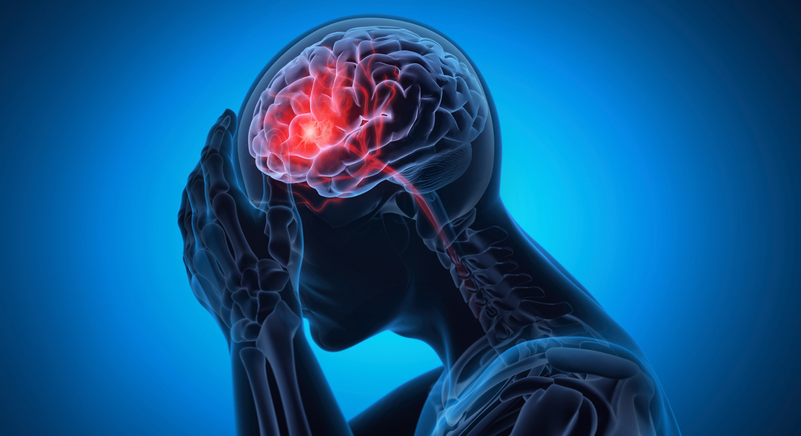
Migraine Treatment in NYC: Symptoms, Causes, Neurologists, and Advanced Testing
Suffering from migraines or recurring headaches? See a neurologist at 14 Street Medical Arts in NYC. Brain MRI, Brain MRA and advanced neurological testing are available when appropriate.
Do you suffer from recurrent headaches, throbbing head pain, nausea, sensitivity to light, dizziness, or visual disturbances? You may be experiencing migraine, a neurological condition that can significantly interfere with work, sleep, family activities, and everyday life.
Migraines are more than ordinary headaches. Some attacks can last for hours or even days and may cause neurological symptoms before or during the headache.
At 14 Street Medical Arts, our experienced neurologists evaluate and treat patients with migraines, chronic headaches, dizziness, and other neurological symptoms. When medically appropriate, patients also have convenient access to advanced diagnostic testing, including Brain MRI, Brain MRA, EEG, Carotid Doppler Ultrasound, and Transcranial Doppler (TCD).
Our goal is to determine the type of headache you are experiencing, identify potential triggers or concerning symptoms, and develop an individualized treatment plan.
What Is a Migraine?
Migraine is a neurological disorder characterized by recurring attacks that may include moderate to severe headache and other symptoms.
Migraine pain is often described as:
- Throbbing or pulsating
- Moderate to severe
- Affecting one side or both sides of the head
- Worse with physical activity
- Lasting several hours or longer
Not every migraine looks the same, and some people experience significant neurological symptoms with relatively little headache.
Common Migraine Symptoms
A migraine attack may include:
- Severe or recurring headache
- Throbbing head pain
- Nausea
- Vomiting
- Sensitivity to light
- Sensitivity to sound
- Dizziness
- Blurred vision
- Difficulty concentrating
- Fatigue
- Neck discomfort
Some patients also experience migraine with aura.
What Is Migraine With Aura?
An aura is a temporary neurological symptom that can occur before or during a migraine.
Symptoms may include:
- Flashing lights
- Zigzag lines
- Blind spots
- Changes in vision
- Tingling or numbness
- Difficulty speaking
New neurological symptoms should be medically evaluated because migraine is not the only condition that can cause them.
What Triggers Migraines?
Migraine triggers vary considerably from person to person.
Common triggers may include:
- Stress
- Poor sleep
- Skipping meals
- Dehydration
- Hormonal changes
- Alcohol
- Excessive caffeine or caffeine withdrawal
- Bright lights
- Strong smells
- Certain foods
- Changes in routine
Identifying individual triggers can be an important part of migraine management.
When Should You See a Neurologist for Migraines?
Consider a neurological evaluation if you experience:
- Frequent migraines
- Increasing headache frequency
- Severe headaches
- Headaches that interfere with work or sleep
- New or changing headache patterns
- Migraine with visual symptoms
- Headache accompanied by dizziness
- Headache with numbness or tingling
- Headaches that are not responding to your usual treatment
At 14 Street Medical Arts, our neurologists can evaluate your symptoms and determine whether additional diagnostic testing is appropriate.
Brain MRI for Migraine and Headache Evaluation
Not everyone with migraine needs an MRI.
However, a Brain MRI may be recommended when a physician identifies symptoms or examination findings that require further investigation.
Brain MRI produces detailed images of the brain and may help physicians evaluate for certain structural or neurological conditions.
At 14 Street Medical Arts, Brain MRI is available when medically indicated, making it convenient to coordinate neurological evaluation and diagnostic imaging.
Brain MRA
A Brain MRA (Magnetic Resonance Angiography) focuses on the blood vessels of the brain.
Depending on a patient's symptoms and medical history, a physician may recommend MRA to evaluate certain vascular conditions, such as abnormalities involving the arteries of the brain.
Your neurologist will determine whether Brain MRI, Brain MRA, or another test is appropriate.
EEG Testing
An EEG (Electroencephalogram) measures electrical activity in the brain.
EEG is not routinely required for ordinary migraine. However, it may be considered when symptoms suggest episodes of altered awareness, possible seizures, or another neurological condition requiring evaluation.
14 Street Medical Arts provides EEG testing when medically appropriate.
Migraine, Dizziness, and Blood Flow to the Brain
Some patients experience dizziness, vertigo, visual disturbances, or balance problems together with headaches.
When symptoms or risk factors suggest that vascular evaluation may be appropriate, our physicians may consider additional testing.
Carotid Doppler Ultrasound
A Carotid Doppler is a non-invasive ultrasound examination that evaluates blood flow through the carotid arteries in the neck.
Transcranial Doppler (TCD)
A Transcranial Doppler is a non-invasive ultrasound examination used to evaluate blood-flow characteristics in certain arteries within the brain.
These tests are not necessary for every migraine patient. Your physician will determine whether vascular testing is appropriate based on your individual symptoms and medical history.
How Our Neurologists Evaluate Migraines
A comprehensive migraine evaluation may include:
- Detailed headache history
- Neurological examination
- Review of medications
- Identification of possible migraine triggers
- Review of family history
- Blood pressure evaluation
- Assessment of sleep
- Brain MRI when indicated
- Brain MRA when indicated
- Additional neurological testing when appropriate
The goal is to distinguish migraine from other types of headaches and identify the best treatment strategy.
Migraine Treatment
Treatment depends on the frequency, severity, and characteristics of your migraines.
Your neurologist may recommend a combination of:
- Medications to treat an acute migraine
- Preventive migraine medications
- Trigger identification
- Sleep improvement
- Regular meals and hydration
- Stress management
- Lifestyle modifications
- Management of related medical conditions
Patients with frequent migraines may benefit from preventive treatment designed to reduce the number and severity of attacks.
When a Severe Headache Is an Emergency
Most migraines are not medical emergencies.
However, call 911 or seek emergency medical attention for:
- A sudden, extremely severe headache
- A new severe headache with weakness or numbness
- Facial drooping
- Difficulty speaking
- Sudden vision loss
- Confusion
- Seizure
- Loss of consciousness
- Severe headache following significant head trauma
A sudden or unusual headache should not automatically be assumed to be a migraine.
Why Choose 14 Street Medical Arts for Migraine Care?
Patients choose 14 Street Medical Arts because we provide coordinated neurological care with access to advanced diagnostic services.
Our services include:
- Neurology
- Migraine and headache evaluations
- Brain MRI
- Brain MRA
- EEG
- Carotid Doppler Ultrasound
- Transcranial Doppler (TCD)
- Primary care
- Multi-specialty medical care
Having neurology and advanced diagnostic services available through the same medical practice can make evaluation and follow-up more convenient.
Convenient Manhattan Locations
14 Street Medical Arts serves patients throughout New York City at multiple convenient Manhattan locations:
East 14 Street MedicalArts
332 East 14th Street
New York, NY 10003
West 14 Street MedicalArts
110 West 14th Street
New York, NY 10011
Columbus Ave MedicalArts
912 Columbus Avenue
New York, NY 10025
Radiology MedicalArts
500 East 14th Street
New York, NY 10009
We conveniently serve patients from the East Village, Union Square, Gramercy Park, Chelsea, Greenwich Village, Flatiron District, Upper West Side, and surrounding New York City neighborhoods.
Frequently Asked Questions About Migraines
What's the difference between a migraine and a regular headache?
Migraine is a neurological disorder that often causes moderate to severe headache along with symptoms such as nausea and sensitivity to light or sound. Some patients also experience visual or sensory aura.
Should I see a neurologist for migraines?
A neurologist may be helpful if migraines are frequent, severe, changing, interfering with daily activities, or not responding adequately to treatment.
Do migraines require a Brain MRI?
Not every migraine requires imaging. Your neurologist will determine whether Brain MRI is appropriate based on your headache history, neurological examination, age, symptoms, and other clinical factors.
Can migraines cause dizziness?
Yes. Some people experience dizziness or vertigo as part of a migraine disorder. Because dizziness has many possible causes, new or persistent symptoms should be evaluated.
Can migraines cause vision problems?
Migraine with aura can produce temporary visual symptoms such as flashing lights, blind spots, or zigzag patterns. New, persistent, or sudden vision loss requires prompt medical evaluation.
Schedule a Migraine Evaluation in NYC
If migraines or recurring headaches are interfering with your work, sleep, or everyday life, 14 Street Medical Arts can help.
Our neurologists provide comprehensive migraine and headache evaluations with convenient access to Brain MRI, Brain MRA, EEG, Carotid Doppler, and Transcranial Doppler when medically appropriate.
Schedule an appointment with 14 Street Medical Arts and let our neurology team help you understand your headaches and develop an individualized treatment plan.
About 14 Street Medical Arts
14 Street Medical Arts is a multi-specialty medical practice serving New York City through locations on East 14th Street, West 14th Street, Columbus Avenue, and Radiology MedicalArts. We provide neurology, primary care, preventive medicine, advanced diagnostic imaging, Brain MRI, Brain MRA, EEG, vascular ultrasound testing, and comprehensive healthcare services for patients throughout Manhattan.